An OWI arrest can feel overwhelming, but being charged does not mean being convicted. Indiana OWI cases involve complex scientific evidence, strict procedural requirements, and constitutional protections that must be followed by law enforcement. When any of these break down, it creates opportunities for a strong defense.
At Stidham Legal, we examine every aspect of your OWI case — from the initial traffic stop to the administration of field sobriety and chemical tests. Our goal is to identify weaknesses in the prosecution's case and pursue the best possible outcome, whether that means reduced charges, dismissed charges, or acquittal at trial.
OWI, DUI, DWI — What's the Difference?
Indiana uses the term OWI (Operating While Intoxicated) rather than DUI or DWI, though all three terms refer to the same general offense. Indiana's OWI statute is found in Indiana Code 9-30-5, which covers operation of a vehicle while intoxicated by alcohol, controlled substances, or a combination of both. You may also hear the term OVWI (Operating a Vehicle While Intoxicated), which is the same charge.
Understanding Indiana OWI Laws
Indiana has some of the strictest drunk driving laws in the Midwest. Here's what you need to know.
BAC Thresholds
Under IC 9-30-5, it is illegal to operate a vehicle with a blood alcohol concentration (BAC) of .08% or higher. If your BAC is .15% or higher, you face enhanced penalties. For commercial vehicle operators, the threshold is .04%, and for drivers under 21, any detectable BAC (.02% or higher) can result in charges.
Indiana's Implied Consent Law
By operating a vehicle on Indiana roads, you have given implied consent to submit to a certified chemical test (breath, blood, or urine) if an officer has probable cause to believe you are intoxicated. Refusing a chemical test triggers an automatic administrative license suspension — one year for a first refusal with no prior OWI conviction, and two years for refusal with a prior conviction or prior refusal. Importantly, refusing does not prevent the State from prosecuting you for OWI.
Operating — Not Just Driving
Indiana law uses the word "operating" rather than "driving." Courts have interpreted this broadly — you can be charged with OWI even if the vehicle is parked but running, or if you are found asleep behind the wheel with the keys in the ignition. The prosecution must show you operated or intended to operate the vehicle while intoxicated.
OWI Penalties in Indiana
Penalties increase significantly with higher BAC levels and repeat offenses.
| Offense | Classification | Jail / Prison | Fine (Up To) | License Suspension |
|---|---|---|---|---|
| 1st OWI (BAC .08–.14) | Class C Misdemeanor | Up to 60 days | $500 | Up to 2 years |
| 1st OWI (BAC .15+) | Class A Misdemeanor | Up to 1 year | $5,000 | Up to 2 years |
| 1st OWI w/ endangerment | Class A Misdemeanor | Up to 1 year | $5,000 | Up to 2 years |
| 2nd OWI (within 7 years) | Level 6 Felony | 6 months – 2.5 years | $10,000 | Up to 2 years |
| OWI w/ prior felony OWI | Level 5 Felony | 1 – 6 years | $10,000 | Up to 2 years |
| OWI causing serious injury | Level 5 Felony | 1 – 6 years | $10,000 | Up to 2 years |
| OWI causing death | Level 4 Felony | 2 – 12 years | $10,000 | Up to 2 years |
Penalties reflect Indiana Code 9-30-5. Additional consequences may include mandatory substance abuse evaluation, community service, and ignition interlock device requirements. This information is not legal advice.
License Suspension & Driving Privileges
Administrative Suspension
Indiana has a separate administrative process for license suspension that operates independently of your criminal case. If you fail a chemical test, your license faces a 180-day suspension. If you refuse a chemical test, the suspension is one year for a first refusal (two years if you have a prior OWI or refusal). This suspension begins automatically and requires a separate challenge from your criminal defense.
Specialized Driving Privileges
In many cases, you may be eligible to petition the court for Specialized Driving Privileges (formerly known as a hardship license). This allows you to drive for specific purposes such as employment, education, medical appointments, and essential household needs. An attorney can file this petition on your behalf, often allowing you to maintain your ability to work and care for your family during the suspension period.
Ignition Interlock Devices
For certain OWI convictions, Indiana may require installation of an ignition interlock device (IID) on your vehicle. The IID requires a breath sample before the vehicle will start and at random intervals while driving. The cost of installation and monthly monitoring is the responsibility of the driver. An IID requirement may be part of your specialized driving privileges or a condition of probation.
Challenging OWI Evidence
Every piece of evidence in an OWI case can be challenged. Here are common areas we investigate.
Improper Traffic Stop
Police must have reasonable suspicion to initiate a traffic stop. If the stop was not supported by articulable facts suggesting a traffic violation or criminal activity, all evidence obtained afterward may be suppressed.
Breathalyzer Issues
Breath testing instruments require proper calibration, maintenance, and operation. We examine maintenance logs, operator certification, and whether the observation period was properly conducted before the test.
Field Sobriety Tests
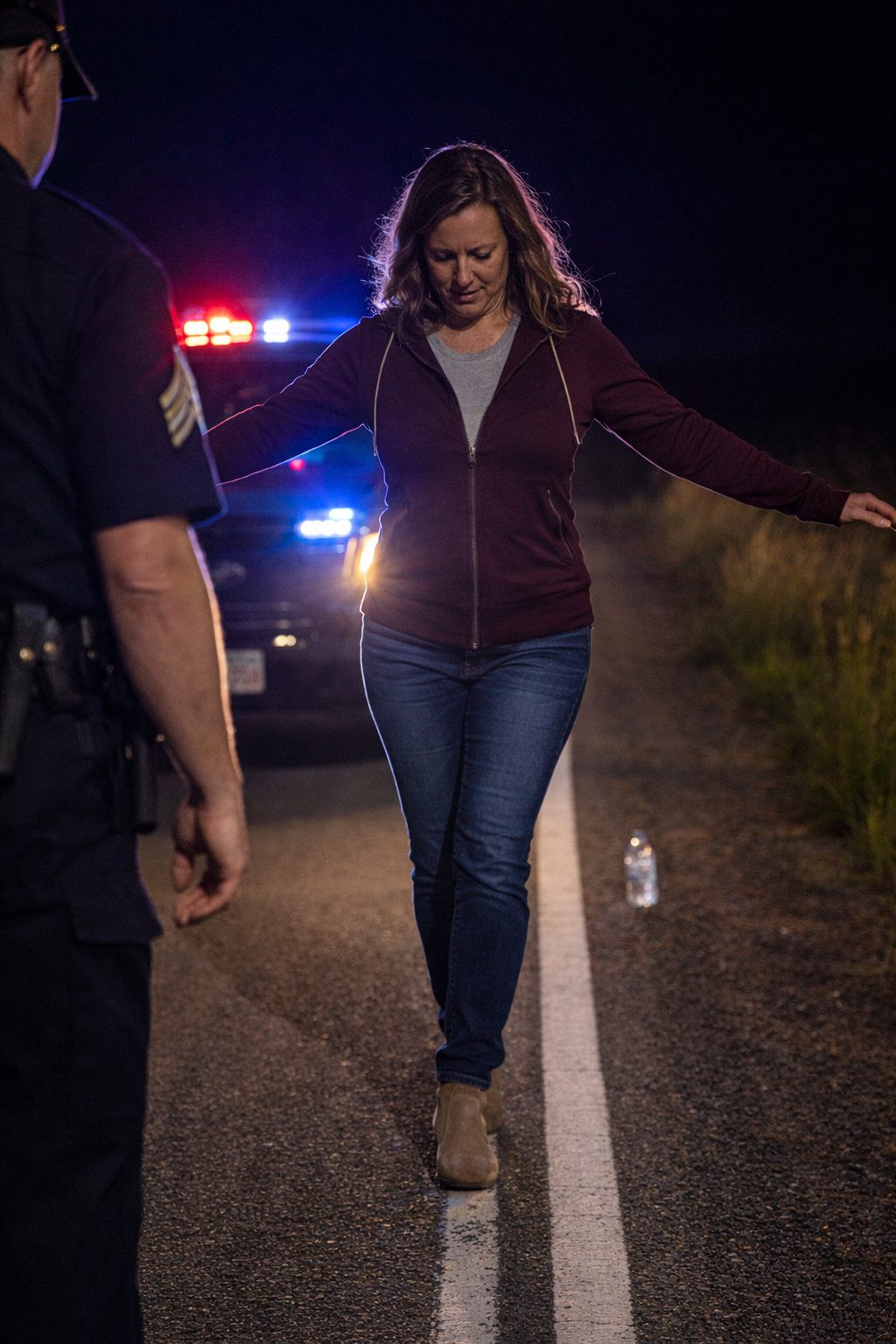
Standardized field sobriety tests (HGN, walk-and-turn, one-leg stand) are subjective and affected by many factors including medical conditions, road surfaces, weather, footwear, age, and anxiety.
Rising BAC Defense
Your BAC at the time of testing may not reflect your BAC at the time of driving. Alcohol takes time to absorb — your BAC may have been below the legal limit when you were actually operating the vehicle.
Medical Conditions
Certain medical conditions such as GERD (acid reflux), diabetes, and neurological disorders can produce symptoms that mimic intoxication or cause falsely elevated breath test results.
Video Evidence
Dashcam and bodycam footage can often tell a different story than the officer's report. We obtain and review all available video evidence to identify inconsistencies with the officer's observations.